
Statistics Profession
Our Statistics Profession uses data to shape decisions for Scotland and provides robust statistics to private, public, and academic organisations. We deliver trusted evidence that informs policy, improves services, and supports key national priorities.

Data that makes a difference
Statisticians play a vital role in shaping decisions that affect everyday life in Scotland. From health and education to the economy and justice, our work ensures policies are built on robust evidence.
With around 300 statisticians, we are a collaborative, open profession that values innovation, transparency, and impact, offering careers with real variety, progression, and the opportunity to make a meaningful difference.
We are part of the part of the Government Statistical Service (GSS) and the Government Analysis Function (GAF), connecting us to a UK‑wide network of analysts and statisticians in the wider Civil Service.
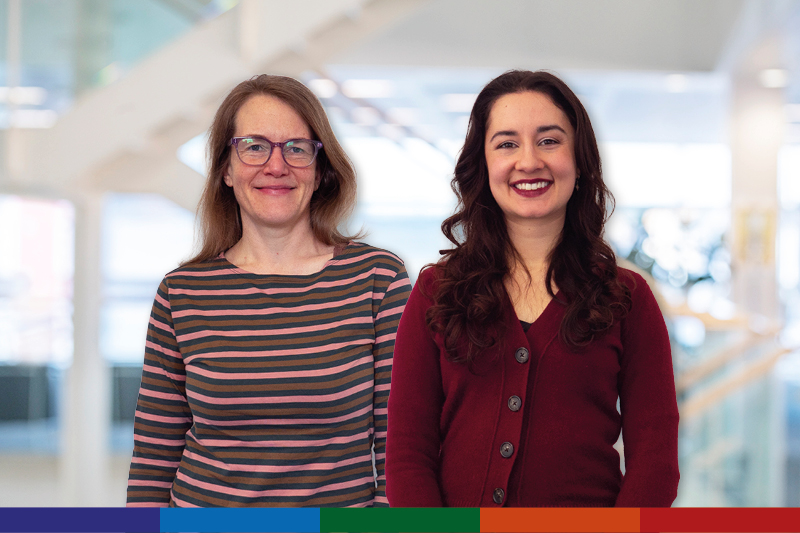
Statistics as a profession

What we do
Statisticians collect, analyse, and interpret data to inform policy and decision‑making across government. We produce official statistics that support transparency and accountability, advise ministers and stakeholders, and communicate statistical stories clearly so the public has an unbiased view of society in Scotland.

Where we sit in government
The Statistics Profession is part of the Government Statistical Service (GSS) and the Government Analysis Function (GAF). This connects us to a UK‑wide network of analysts and statisticians, helping to ensure high professional standards, shared best practice, and consistent, trusted evidence.

A collaborative and supportive environment
We work in a friendly, open, and collaborative environment that values learning and innovation. Statisticians have opportunities for progression and mobility across the Scottish Government, its agencies, and potentially the wider GSS, including role rotations that broaden experience and support well‑rounded career development.

Make an impact from day one
Qualifications and skills
People applying for statistician roles typically need a degree with a strong quantitative focus — such as statistics, mathematics, economics, data science, or another numerate discipline.
We also welcome applicants who can demonstrate equivalent analytical skills through relevant work experience, professional development, or technical backgrounds, with clear ability in data analysis, statistical methods, and evidence-based thinking.
To become a badged Government Statistical Service (GSS) statistician, you must pass a recruitment competition aligned to the Government Statistician Group (GSG) framework.

Pathways into Statistics
There are a range of ways you can enter the Statistics profession:

Early careers
Many statisticians begin their career through graduate entry roles, with occasional opportunities to join via internships.
Early career roles focus on building core skills in data collection, coding, and basic analysis. You will learn how to present statistics clearly so they are easily understood by stakeholders, and develop an understanding of government processes and analytical standards.
We have a supportive culture with a wide range of opportunities to help you develop into a professional who values best practice.
Entry level opportunities, when available, are advertised on our careers website.

Mid-career professionals
Ongoing learning and development is strongly supported, including access to our highly rated in‑house statistical leadership programme.
External opportunities are occasionally available at this level, and are advertised on our careers website.
Opportunities at the Scottish Government are also sometimes available for those working in Statistician roles in other Civil Service departments through the Government Statistical Service (GSS).

Senior leaders
Senior statisticians lead teams or entire analytical units, setting the strategic direction for statistical work across government.
They coach and develop others, helping to build the next generation of statistical leaders.
At this level, statisticians shape how statistics are produced and used to inform policy and decision‑making, manage resources, champion good practice, and ensure high professional standards.
Senior roles involve influencing at the highest levels of government and driving innovation across the wider statistics profession.
Check out our staff stories

Riya
Riya’s role is all about understanding trends and patterns in numbers, find out what drew her to the job.

Lynsey
From academia to government: read about Lynsey’s journey into impactful public service.
What you could be doing
A career in Statistics offers a variety of opportunities to apply your skills within government:
Data collection and analysis
Gathering and interpreting data for policy.
Statistical production
Creating official statistics and impactful reports.
Methodology and standards
Ensuring quality and consistency across outputs.
Data science and innovation
Applying advanced data management and coding techniques to solve complex problems.
Communicating statistics
Clearly explaining what statistics mean to avoid misinterpretation or misuse.
Impact of Statistics in government
The impact of statistics in government can be seen across every aspect of life in Scotland.
By providing trusted, transparent evidence, statisticians help deliver fairer policies, improve public services, and support decision‑making that drives better health, wellbeing, and sustainable economic growth.

Scotland’s Census
National Records of Scotland (NRS) runs the Census of the population every ten years, providing a count of every person and household in Scotland. It forms the backbone of the country’s statistical system, underpinning decisions on funding and planning for services such as schools, infrastructure, and healthcare.
The Census also offers detailed breakdowns that support decision‑making for local communities and help represent underrepresented groups within society.

Covid‑19
Statistics produced during the pandemic helped guide decision‑making in Scotland by giving government leaders an up‑to‑date picture of emerging risks and overall public health trends.

Educational outcomes
Education statistics play a central role in shaping government decision‑making in Scotland by providing a clear evidence base on core education trends and inequalities.
Annual school education statistics enable the Scottish Government to track trends over time and identify where targeted interventions are needed, such as reducing absence, supporting areas with high deprivation, or closing the poverty‑related attainment gap.
Current Vacancies
Check out our current vacancies within the Statistics profession.
Professions
Learn more about the other professions within our organisation