
Social Research Profession
The Social Research Profession in the Scottish Government puts people and evidence at the heart of decision-making. Through applied research and analysis, we help shape policies and services across Scotland.

Research at the heart of government
Social researchers play a vital role in helping government understand society, behaviour and lived experience. Their work supports the development, delivery and evaluation of policy, ensuring that decisions are informed by evidence about what works, for whom and why.
Using a range of qualitative, quantitative and mixed-methods approaches, social researchers explore complex social issues and generate insights that help improve outcomes for people and communities across Scotland. Social research is both practical and impactful, maintaining a strong connection to the individuals and communities that policies are designed to serve.
The profession also places a strong emphasis on collaboration, engagement and meaningful participation, working closely with stakeholders to ensure diverse perspectives are reflected in the evidence that informs decision-making.
Social Research as a profession

What we do
Social researchers design and deliver research that informs policy and decision-making.
Using qualitative, quantitative and mixed-methods approaches, they analyse attitudes, behaviours, experiences and outcomes to build a strong evidence base.
They also evaluate the impacts of policies and programmes on people and communities, helping ensure interventions are effective and achieve their intended outcomes.
Through this work, they provide expert evidence and advice to support informed decision-making.

Where we sit in Government
The Social Research Profession forms part of the Government Social Research (GSR) profession within the UK Government Analysis Function (GAF).
This connection links social researchers to a wider UK community of analytical professionals, shared professional standards and a wide range of learning and development opportunities.
Social researchers work across many different policy areas and government directorates, bringing social science expertise to a diverse range of priorities and challenges.

A profession that centres inclusion
The Social Research Profession is a welcoming and inclusive community that values diversity, varied experiences and different routes into the profession. Social researchers work closely with fellow analysts, policy colleagues and external partners, fostering strong multidisciplinary collaboration. The role also offers opportunities to engage with academics, stakeholders and service users, ensuring that a broad range of perspectives contributes to the evidence base.
Underpinning this work is a supportive culture that promotes continuous learning, ethical practice and professional development, helping individuals build rewarding and impactful careers.
Badging and the Government Analysis Function
Professional badging formally recognises that you have met the standards required for social research practice within government.
Depending on your route into the profession, badging may be completed during the recruitment process or after you have joined a role.
As part of the Government Analysis Function, social researchers also have access to a wide range of learning and development opportunities, as well as professional networks that connect analysts across government, supporting collaboration, knowledge sharing and career development.

Pathways into Social Research
Social researchers typically have a qualification in a social science or related discipline, although people from other backgrounds can also join the profession if they have relevant research experience. We value diverse skills, perspectives and routes into the profession.

Early careers
People typically enter the profession with a relevant social science degree or equivalent research experience. Early-career researchers develop skills in research design, data collection, analysis, evidence synthesis and project delivery.
Working with a range of stakeholders, they learn how evidence informs decision-making while building expertise in research ethics, inclusion and person-centred approaches.
They are supported through ongoing learning, development and collaboration within the wider research community.

Mid-career professionals
Mid-career social researchers lead research projects and programmes, delivering high-quality evidence to support policy and organisational decision-making.
They may commission and manage external research, provide expert advice and apply analytical judgement to complex issues. The profession also welcomes mid-career entrants with relevant research or analytical experience from other sectors.
At this stage, researchers often help shape professional standards, promote innovation and share knowledge across the wider research community.

Senior leaders
Senior-level researchers lead teams, research functions and strategic programmes, ensuring that robust evidence informs policy and organisational decisions.
They provide expert insight to senior leaders, oversee research quality and ethical standards, and help shape the direction of research activity.
As experienced leaders, they also support professional development, build partnerships and champion the value of social research across organisations and sectors.
Check out our staff stories

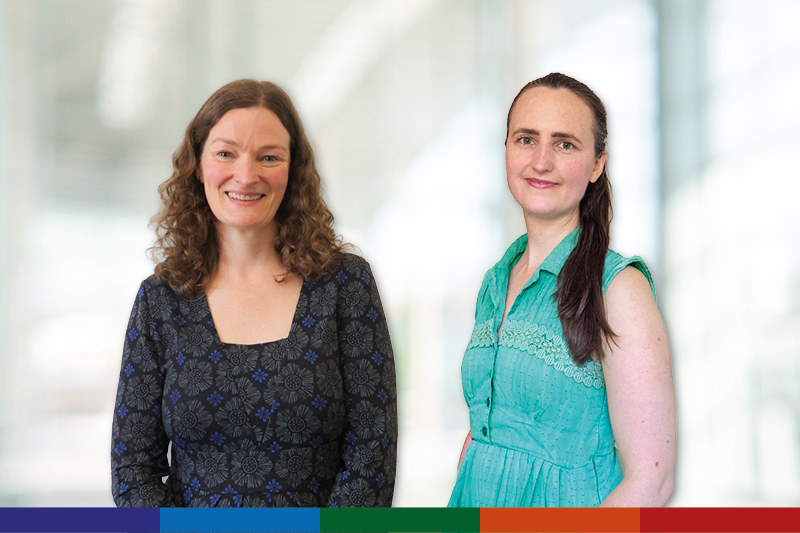
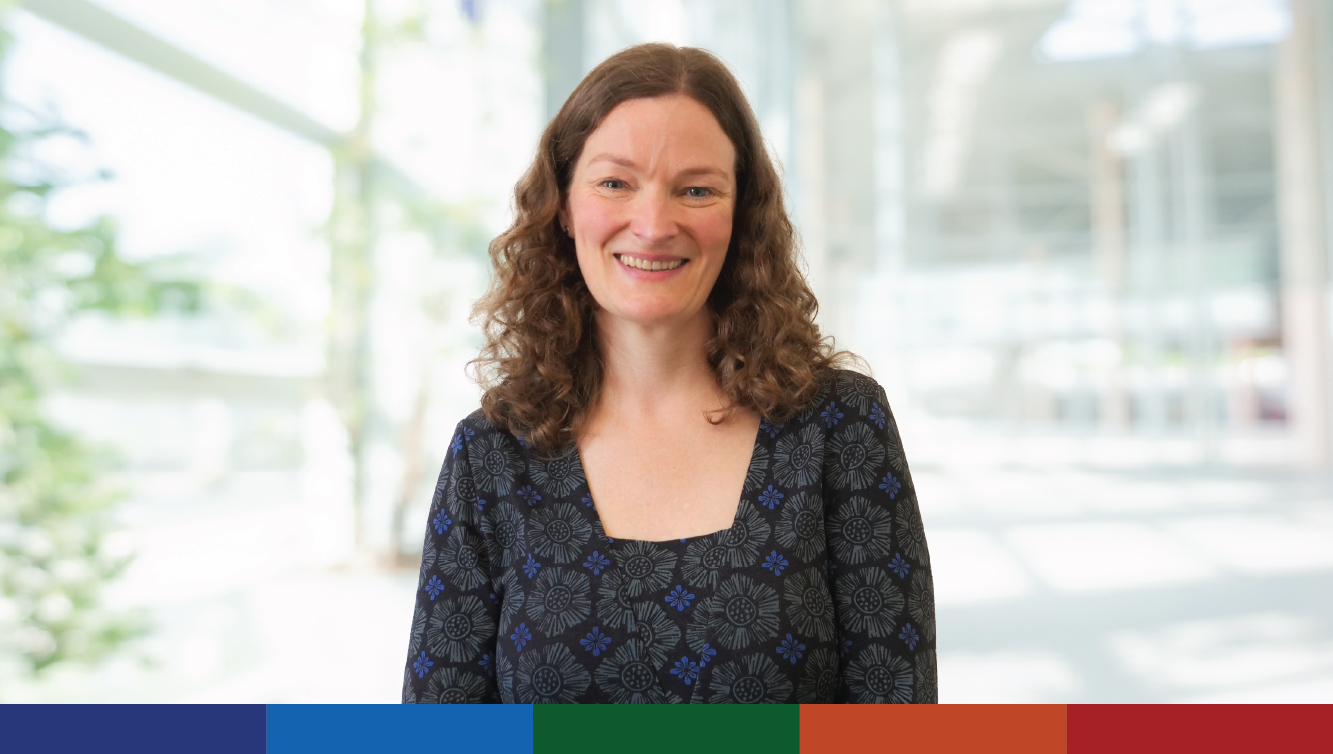
Heid
Learn how Heid uses her skills and experience to deliver research that informs policy and decision-making
Carol
Discover how Carol leads analytical teams and uses evidence to support decision-making across government.
What you could be doing
A career in Social Research offers a variety of opportunities to apply your skills within government:
Applied research design & delivery
Planning and delivering qualitative, quantitative and mixed methods research.
Commissioning & contract management
Managing externally commissioned research projects.
Policy advice
Translating evidence into clear advice for policymakers and Ministers.
Evaluation & learning
Assessing what works, for whom, and under what circumstances.
Engagement & participation
Working with stakeholders, service users and communities.
Impact of Social Research in government
The impact of Social Research can be seen across Scotland, helping government develop better policies, improve public services and deliver positive outcomes for people and communities.

Participatory research
Learning from lived experience is essential when designing and delivering government services.
For example, Social Security Experience Panels were established in 2017 to work with people who had experience of one or more of the relevant benefits due to be devolved.
More than 2,400 people registered to take part. Panel members were involved in all aspects of the development of the Social Security Scotland agency and each of the devolved benefits.

Population surveys
High quality survey research allows government, business and civil society organisations to shape policies and make evidence-informed decisions.
Regular surveys include the Scottish Household Survey, Scottish Health Survey, Scottish Crime and Justice Survey, and Scottish Social Attitudes Survey.
Analysis of survey data by social researchers helps us understand people’s experiences, needs, and what matters most to them.

Evaluating what works
Research can assess whether policy interventions are being delivered as intended and are having the desired impact.
When the Distress Brief Intervention programme was being piloted, mixed-methods research – including analysis of routine programme data, questionnaires, and interviews with delivery partners and people who had received the intervention – provided evidence to support national roll-out.
The programme is now live in every Health and Social Care Partnership in Scotland.
Why should you consider a career in Social Research?
A career in Social Research is an opportunity to make a meaningful difference to people’s lives.
By understanding people’s experiences, views and needs, social researchers generate evidence that helps shape policies, programmes and public services across Scotland.
You’ll explore a wide range of issues that matter to society, from health, education and housing to justice, equality and social security. Through training, mentoring and practical experience, you’ll build valuable research and analytical skills while tackling real-world challenges and helping to improve outcomes for communities.
Social Research is a diverse and welcoming profession that values different perspectives and ways of thinking. Combining curiosity, critical thinking and a focus on people, it offers a rewarding career for those who want to understand society and drive positive change.

Current Vacancies
Check out our current vacancies within the Social Research profession.
Professions
Learn more about the other professions within our organisation